
About M S Mehta & Co
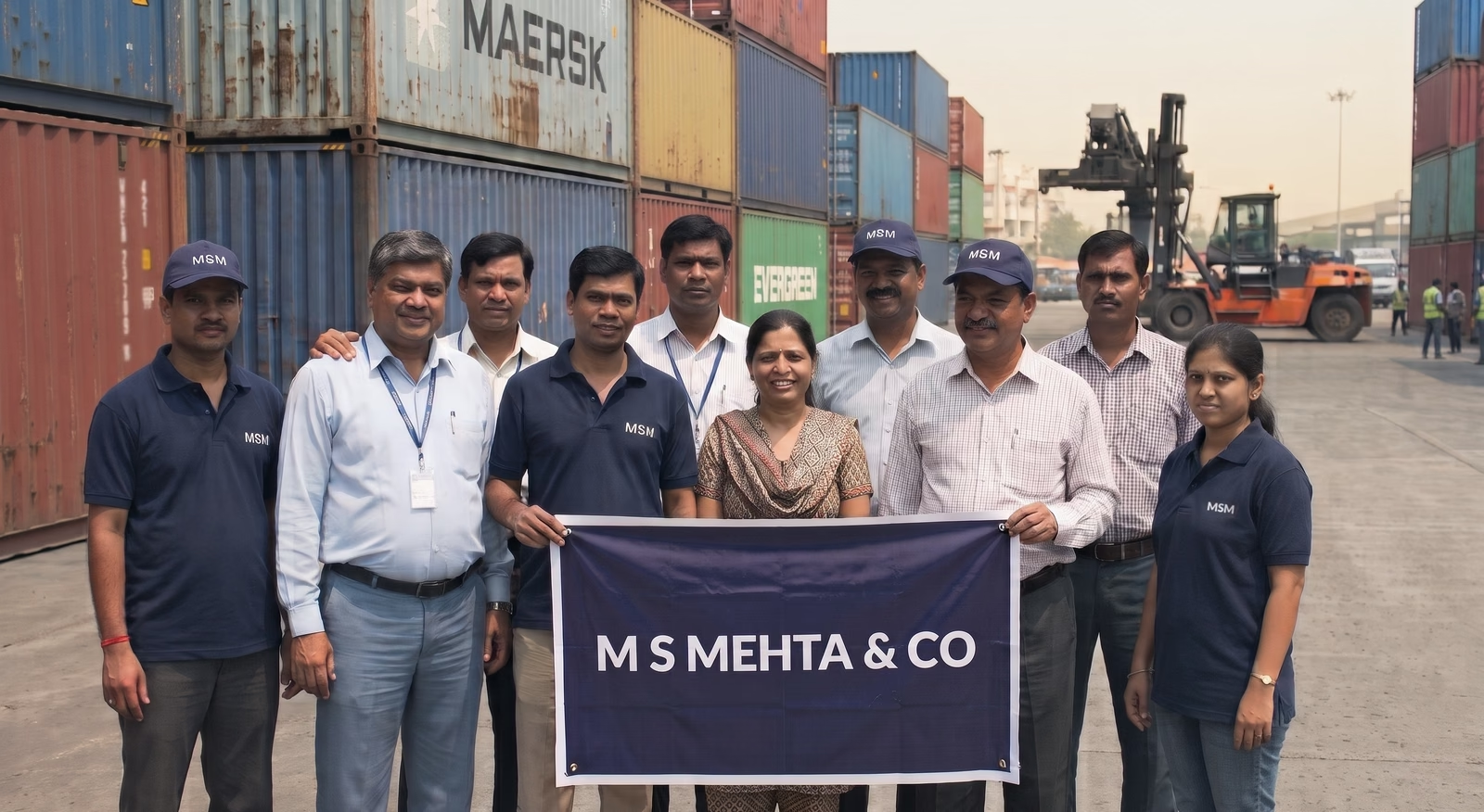
Three generations. One family.
Custom House Agent (CHA) Since 1961.
- Licensed Customs Broker & BCBA Member
- #1 Custom House Agent in Mumbai (2025 & 2026)
- #1 CHA for Imports & Exports (2025 & 2026)
- 60+ Years Of Client Relationships

Parag Shah, Director & CEO
Parag Shah leads M S Mehta & Co., the custom house agent firm his father, Shri Navinchandra Ratilal Shah, founded in Fort, Mumbai, in 1961. As the second generation of his family in the business, he has spent his working life on the ground: at the docks, at the customs counters, and alongside regulators.
For food, chemicals, nutraceutical, and pharmaceutical shipments, a single missing FSSAI, CDSCO, or Animal Quarantine (AQ) approval can stall a consignment for weeks. Similarly, for machinery, spare parts, and consumer products, a missing certification such as LMPC, BIS, EPR, or e-Waste can cause days of costly delays. His ability to navigate such complex regulatory and logistical hurdles is what has helped M S Mehta & Co reach this stage, and it is the exact work he is best known for among importers.
Over the years, Parag has brought significant growth and regulatory depth to the company. As the industry modernized, he guided the team through the transition from paper to electronic filing and established a dedicated presence at Nhava Sheva. Recognizing the need to offer end-to-end solutions, he expanded the firm’s services beyond import clearances by adding end-to-end freight forwarding and exports clearances too.
His commitment to the business and its clients has truly shone through over the years. Today, the family’s legacy continues to evolve. In 2026, the firm was incorporated as M S Mehta and Co. Private Limited, and the third generation now works alongside him to carry the business into the future.
His Mission: To to give importers and exporters complete peace of mind. That means, to take the guesswork out of customs clearance, getting the filing right the first time, being transparent about the costs & timeline before the cargo even moves, and always being the person you can reach out to when a shipment gets difficult.
Three Generations. One Mission.
Three generations of one family have run M S Mehta & Co, with one aim throughout: to be the Custom House Agent (CHA) that every importer and exporter in India can trust the most. Some things have not changed in that time. Several of our clients are families we have served for decades, with the second and third generations on their side now dealing with the second and third on ours. We still answer the phone ourselves. We still treat every filing as something we are personally accountable for. We have also built free tools for importers and exporters:
Container Tracking
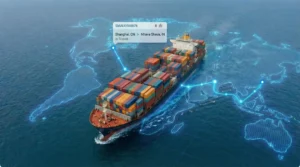
Container Tracking
Track your container status for FREE using Container Number or Bill of Lading (BL) Number across 200+ shipping lines on our Container Tracking Tool. Get real-time container movement, including ETA, ETD, transshipment details, delays, and current shipment status, helping you plan arrivals and logistics with confidence.
CBIC Customs Exchange Rate
CBIC Customs Exchange Rate
Our Customs Exchange Rate Tool provides the latest CBIC-notified customs exchange rates for both imports and exports, updated currency-wise as per official CBIC notifications. These rates are legally applicable for all customs-related calculations, ensuring full compliance with the Customs Act and ICEGATE requirements.
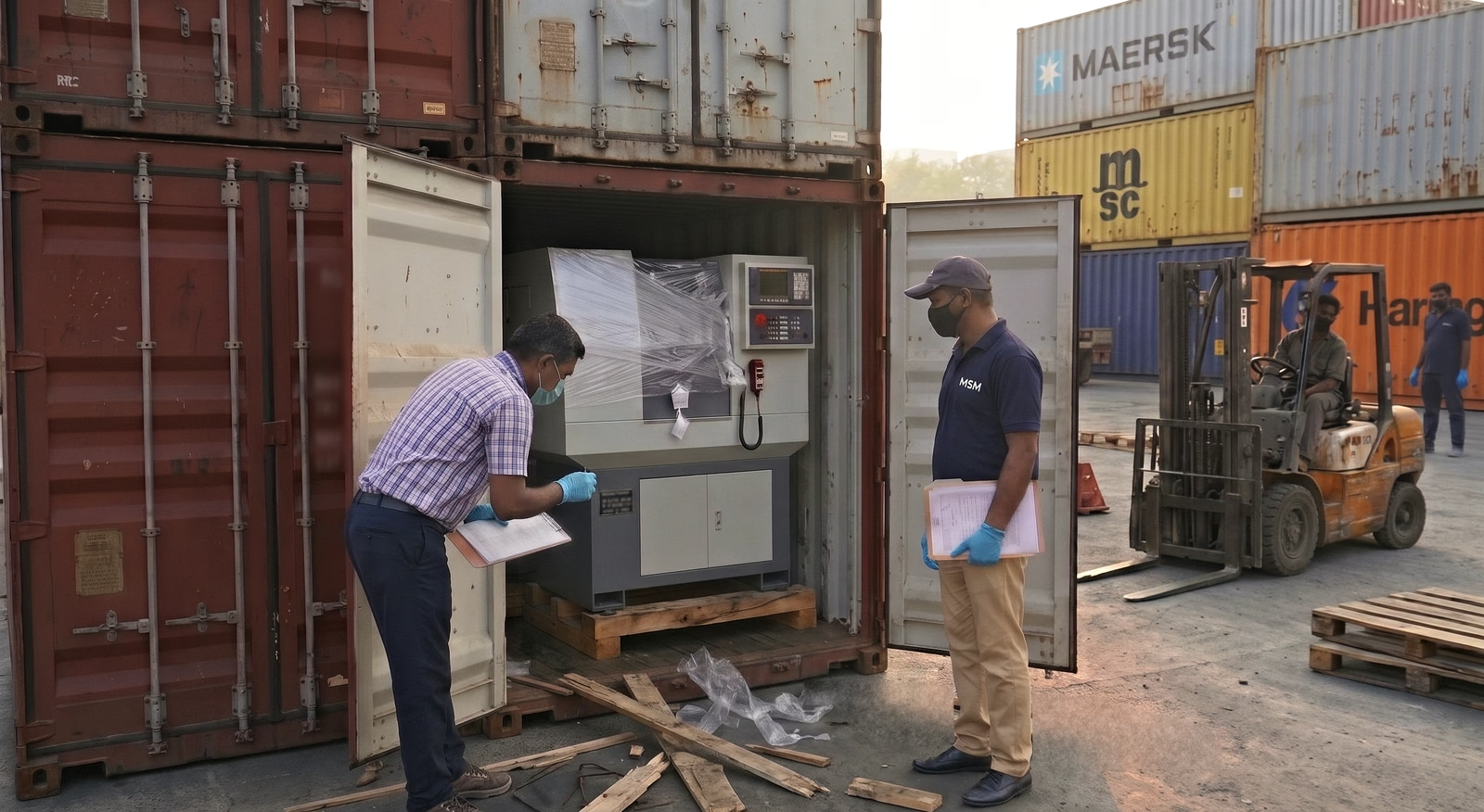
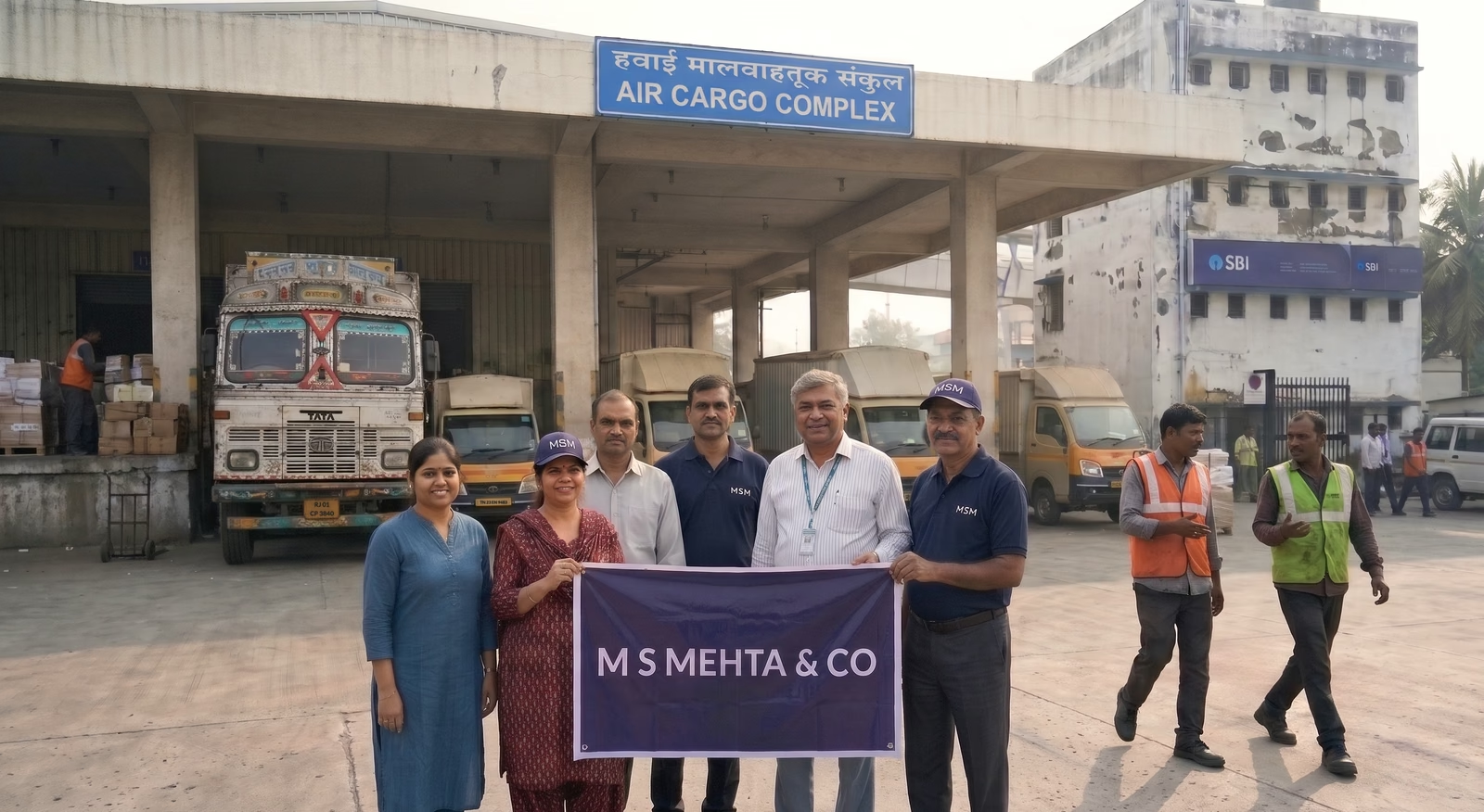
Today, at M S Mehta & Co, we handle freight forwarding & customs clearance at Nhava Sheva (JNPT), Mumbai Air Cargo Complex, and Navi Mumbai International Airport (NMIA), for businesses importing and exporting agricultural products, machineries, chemicals, laboratory products, pharmaceuticals, food and beverages, nutraceuticals, consumer goods and more.
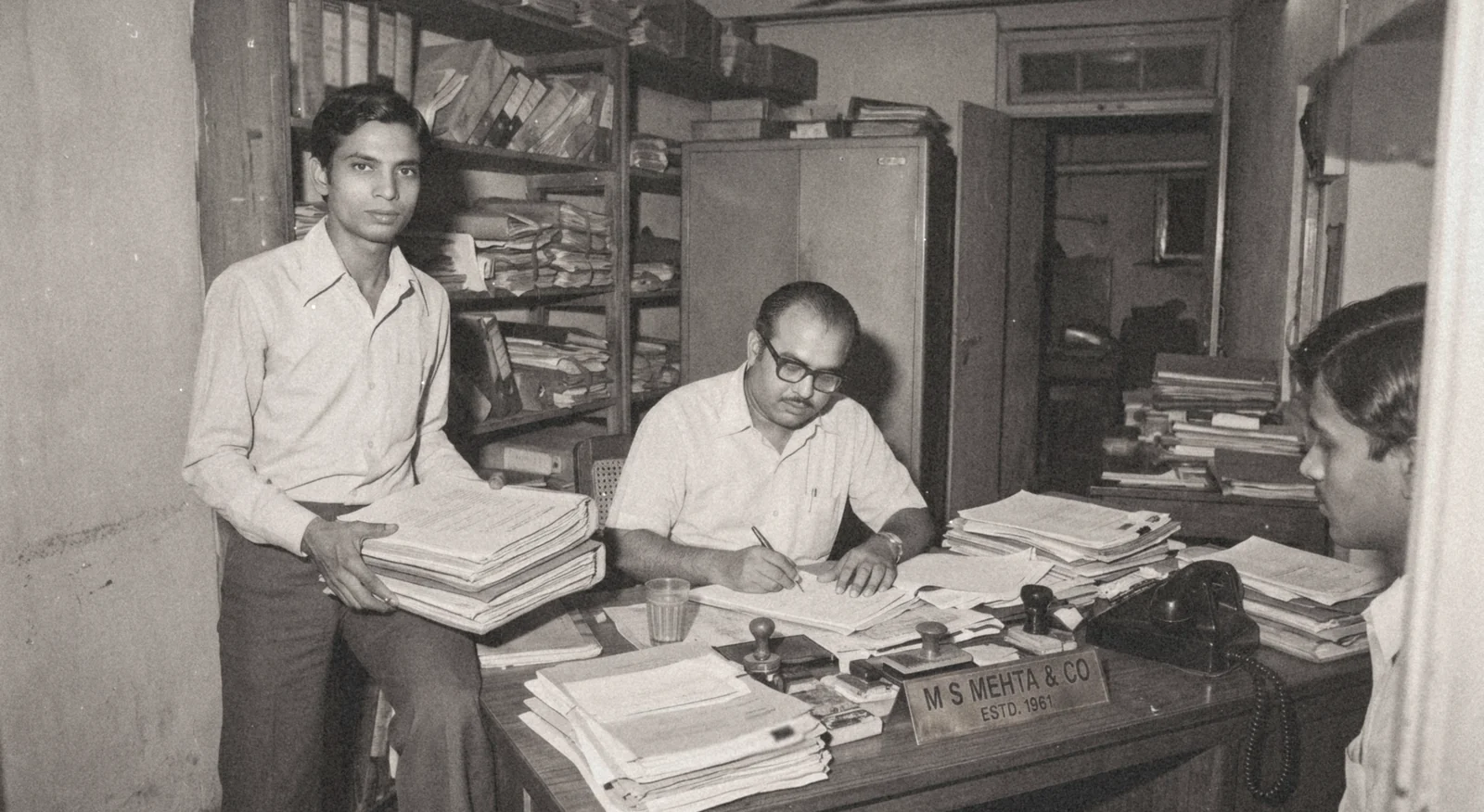
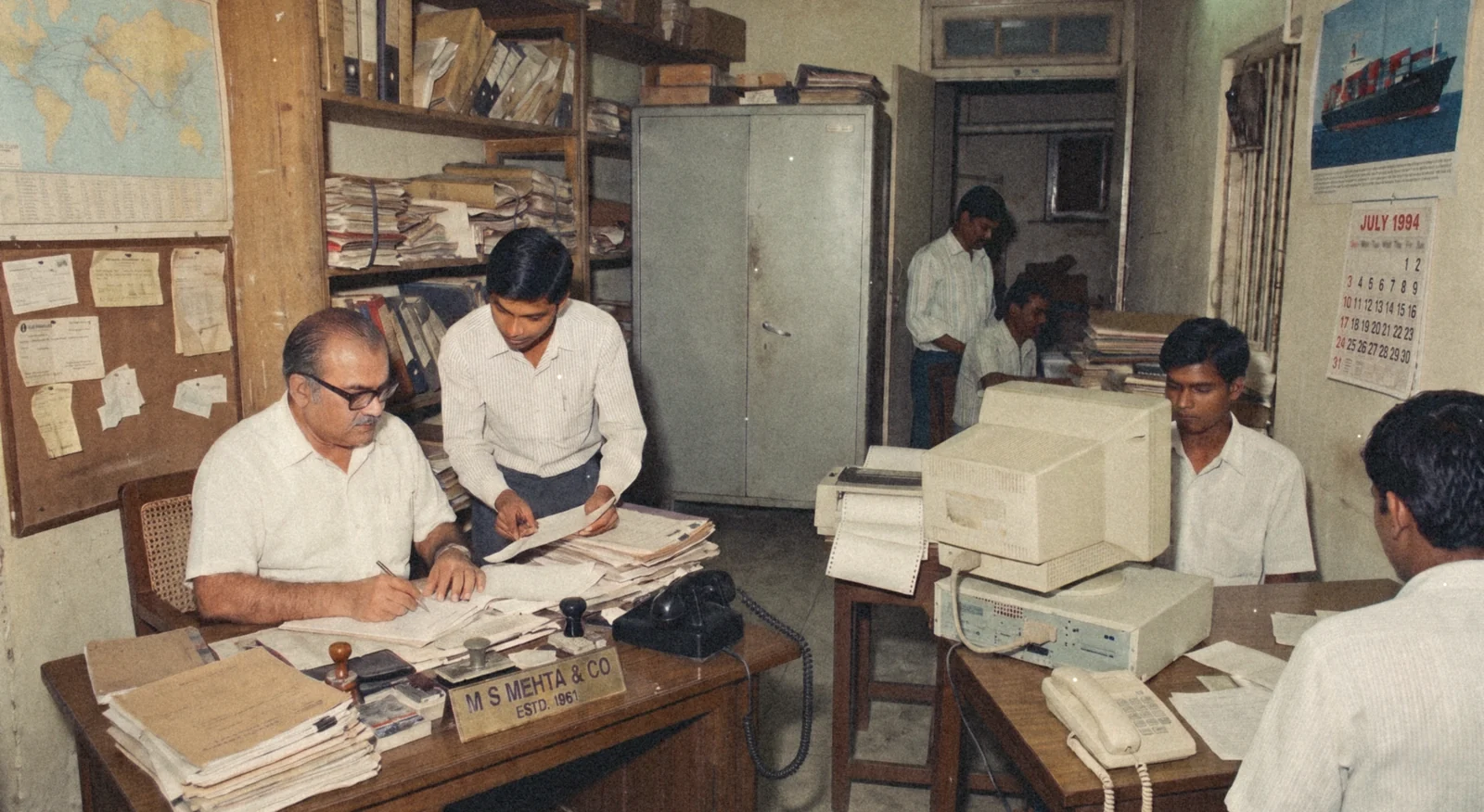
How customs clearance changed, decade by decade
A Custom House Agent in Mumbai in 1961 worked with carbon paper, import licences and a harbour full of loose cargo. A Customs Broker today works with digital signatures, risk engines and a dozen regulators on one screen. The profession is the same and the trade still calls it the CHA, but almost everything about the work has changed. This is how it happened.
1961 to 1969: One Act and a wall of licences
When M S Mehta & Co opened in Fort in 1961, customs law was a patchwork left over from the nineteenth century, with the Sea Customs Act of 1878 at its centre. The Customs Act of 1962, which came into force on 1 February 1963, replaced it and brought sea, air and land customs under a single law. It remains the foundation of customs clearance in India, and every Bill of Entry that M S Mehta & Co files today is still made under it.
For a Custom House Agent, though, the harder part of the job sat outside the Customs Act. Under the Licence Raj almost every import needed a licence from the Chief Controller of Imports and Exports, and each licence set out what could be imported, how much and by whom. Much of the day at M S Mehta & Co went into matching consignments to licences before a Bill of Entry could move. The Bill of Entry was written by hand in several copies, carried from the appraiser to the cashier to the dock shed, and corrected with fresh signatures if a single figure was wrong.
The government issued its first licensing rules for Custom House Agents in these years, which fixed who was allowed to act for an importer at the custom house. The rules for the agents themselves changed in the same decade. Licensing rules framed in 1960 under the old Act were replaced in 1965 by regulations under the new Customs Act, which kept the requirement to pass an examination before a licence was granted. Then, in June 1966, the rupee was devalued by 36.5 percent. The rupee value of every foreign invoice changed overnight, and with it the value on which duty was worked out.
1970s: The first containers
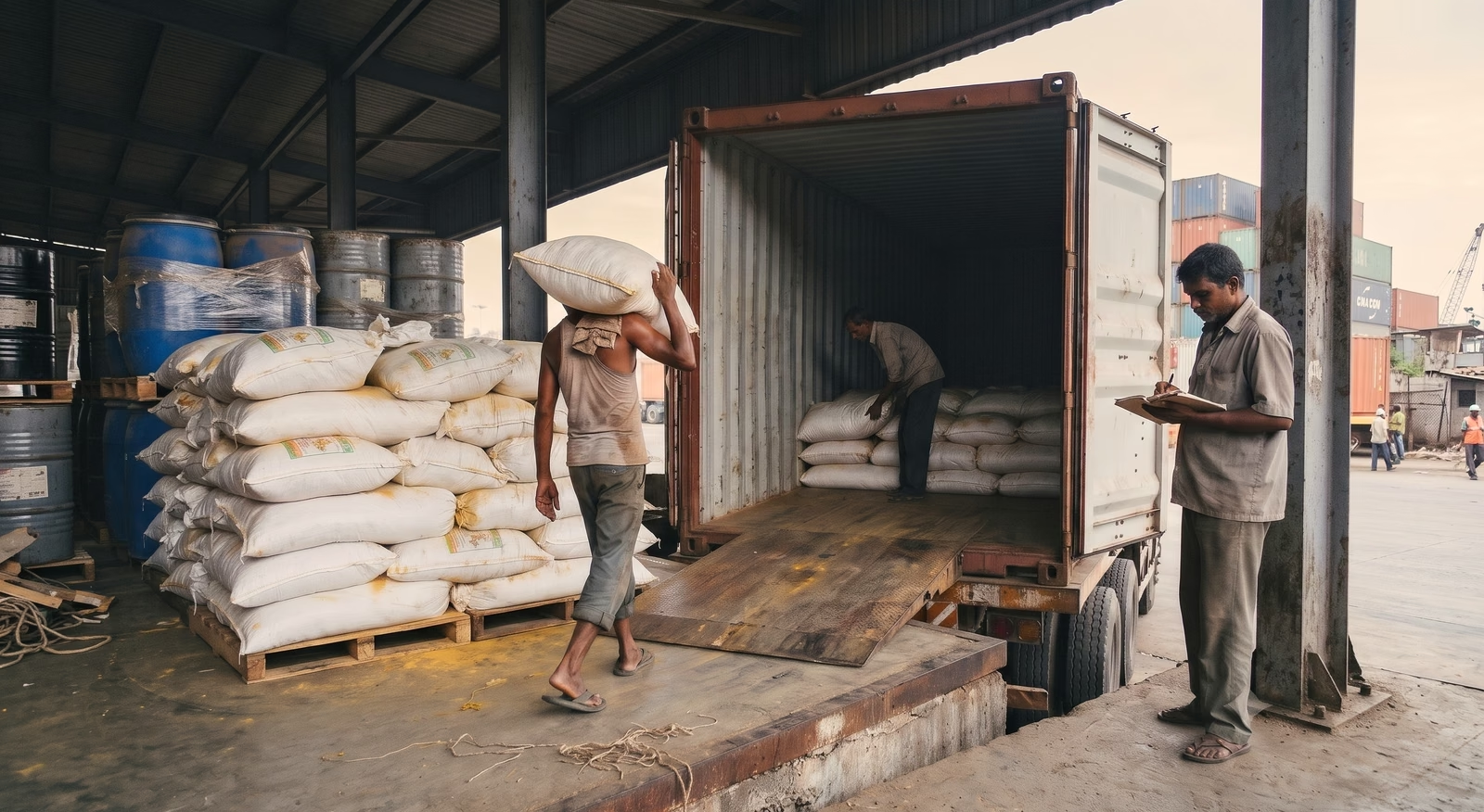
For most of the decade cargo still arrived loose, in sacks, drums and crates stowed in a ship’s hold. At M S Mehta & Co, customs clearing meant long days in the dock sheds of Bombay Port while each lot was landed, counted and examined. Then the first container ship called at an Indian port, at Cochin in the early 1970s. It was the start of a change that would take twenty years to reach every port, and would move examination out of the docks. Bombay Port set up its first container facilities the same year.
The law changed alongside the cargo. The Foreign Exchange Regulation Act of 1973 tightened control over foreign exchange, so the value declared on every import and export came under close scrutiny. Duty drawback rules framed in 1971 gave exporters a refund of the duties paid on their inputs, and a Custom House Agent now had drawback claims to prepare as well as clearances.
The Customs Tariff Act, 1975 replaced the tariff law of 1934 and came into force on 2 August 1976, with an import schedule based on the Brussels Tariff Nomenclature. Every product that M S Mehta & Co cleared had to be matched to its place in the new schedule. The licensing regulations for the CHA were revised again in 1971, and Mumbai gained an export processing zone for electronics at Santacruz, an early sign of the export-led policy to come.
1980s: An examination, a new tariff and a new port
The Custom House Agents Licensing Regulations of 1984 tightened the rules for entering the profession. A new applicant needed experience in clearance work and proof of financial standing, worked on a temporary licence until passing the qualifying examination, and was told in writing what a Custom House Agent owed both the client and the department. M S Mehta & Co had been in business for more than twenty years by then, and the regulations put in writing the standards it would be held to on every file.
On 28 February 1986 India’s customs tariff was rebuilt on the Harmonized System, the classification used by customs administrations across the world. Classification became a discipline in its own right, because the heading chosen for a product decided the duty it paid. From August 1988, new valuation rules made the transaction value, meaning the price actually paid or payable for the goods, the starting point for every assessment. Import policy also loosened a little, with more goods allowed in without a specific licence, and the Bureau of Indian Standards was set up under its own Act.
On the ground, the Container Corporation of India was formed to run inland container depots, so cargo could be cleared at inland cities and not only at the coast. On 26 May 1989 a new port opened across the harbour at Nhava Sheva. It was built to take pressure off Bombay Port, and within a few years it had become the country’s main gateway for containers, and the port where M S Mehta & Co would later set up its own presence.
1990s: Liberalisation and the first EDI system
The balance of payments crisis of 1991 changed trade policy within months. The 1991–92 budget cut the peak import duty from more than 300 percent to 150 percent, and by 1997–98 it was down to 40 percent. Licensing was dismantled for most capital goods and raw materials, a new foreign trade law replaced the import control Act of the 1940s, and the office that had issued import licences became the Directorate General of Foreign Trade.
With fewer permits to chase, M S Mehta & Co’s work shifted towards classification, valuation and the export promotion schemes that came with the new policy. These included Advance Licences, the Export Promotion Capital Goods scheme and, from April 1997, the Duty Entitlement Pass Book, which gave exporters a duty credit on the value of what they shipped. India joined the World Trade Organization in 1995, which made the internationally agreed valuation method, based on the price actually paid for the goods, a binding commitment.
The same years brought the first computers. The Indian Customs EDI System, known as ICES, began as a pilot at Delhi and was extended to other custom houses. For the first time a CHA could file a declaration electronically, at a service centre in the custom house, instead of handing over a paper Bill of Entry. ICES reached Sahar and Nhava Sheva in November 1997. For M S Mehta & Co, which had filed handwritten Bills of Entry since 1961, it was the first step away from paper.
2000 to 2010: Risk management, ICEGATE and CHALR 2004
The last quantitative restrictions on imports were removed at the start of the decade, and the peak duty on most goods came down step by step to around 10 percent. Volumes grew quickly. In July 2000 Nhava Sheva gained India’s first privately run container terminal, and a year later it became the first Indian port to handle more than a million containers in a year. Container freight stations multiplied around the port to take examination and storage off the terminals, so a single clearance could now involve a terminal, a freight station and the custom house.
Checking every consignment was no longer possible. In late 2005 customs introduced the Risk Management System, starting at the Air Cargo Complex in Mumbai. The system scored each Bill of Entry for risk and released low-risk consignments on the importer’s own declaration, without assessment or examination. For a Custom House Agent this raised the cost of small mistakes, because a wrong tariff item or a missing notification number could push a shipment out of the facilitated channel.
The Custom House Agents Licensing Regulations, 2004, known as CHALR 2004, replaced the 1984 regulations. They set out the CHA’s obligations in more detail: to advise clients to comply with the law, to exercise due diligence over the information declared, and to work with speed and efficiency. At M S Mehta & Co, those obligations still sit at the centre of the job: getting the filing right the first time, and telling the client plainly what the law requires. Online filing arrived through ICEGATE, the customs e-commerce portal, so documents could be submitted from the agent’s own office instead of a service centre in the custom house. New valuation rules were issued, the Food Safety and Standards Act was passed, and at the end of the decade work began on moving ICES from separate servers at each custom house to one national system.
2011 to 2015: Self-assessment and the Customs Broker
On 8 April 2011 the law changed who assesses duty. Under self-assessment the importer declares the classification, value, exemption and duty, and the customs officer verifies the declaration. Filing the Bill of Entry electronically became compulsory, apart from a few exceptions. In practice the responsibility falls on the Customs Broker who prepares the Bill of Entry, which turned the role from filing documents into certifying them. For M S Mehta & Co, it changed what a signature on a Bill of Entry meant. ICES 1.5, the centralised version of the customs system, now ran the same process at every location, and electronic payment of duty became compulsory for larger payments.
The Customs Brokers Licensing Regulations, 2013, or CBLR 2013, then retired the title of Custom House Agent and replaced it with Customs Broker. A licence granted at one customs station could be used across the country after an intimation, which let customs brokers follow their clients’ cargo from port to port. With more of Mumbai’s container trade now moving through Nhava Sheva, M S Mehta & Co, which had worked from Fort for half a century, set up its own team at the port.
This was also when regulators other than customs became part of nearly every clearance. M S Mehta & Co now had to ensure all imports are aligned with the norms of various regulators. The Food Safety and Standards Authority of India (FSSAI) took charge of food imports. The Bureau of Indian Standards (BIS) began compulsory registration for electronics and IT goods. The Legal Metrology (Packaged Commodities) Rules required importers of retail packs to register, the registration the trade calls LMPC. The first e-waste rules came into force. Drugs and cosmetics needed a no-objection certificate from the Assistant Drugs Controller (ADC), the port office of the CDSCO. Plants and animal products went through Plant Quarantine (PQ) and Animal Quarantine (AQ), and wireless equipment needed approval from the WPC wing. Each one added a check that a Customs Broker had to run before the goods were even shipped.
2016 to 2019: SWIFT, GST and the end of the paper file
On 1 April 2016 customs launched the Single Window Interface for Facilitating Trade, or SWIFT. One integrated declaration replaced nine separate forms that had gone to six agencies: FSSAI, Plant Quarantine, Animal Quarantine, the drug controller, the Wildlife Crime Control Bureau and the Textiles Committee. These partner government agencies, or PGAs, began to send their decisions back through the customs system, so the Customs Broker filed once and every agency responded on the same Bill of Entry.
GST arrived in 2017 and changed the duty calculation on every import. Integrated GST and the compensation cess replaced the old countervailing and special additional duties, and the importer’s GSTIN on the Bill of Entry decided whether the credit flowed through. In February 2018 a 10 percent Social Welfare Surcharge replaced the education cesses on customs duty. Filing deadlines were tightened too, with a daily charge for a late Bill of Entry.
Paper left the process in 2018. From 1 April that year, every Bill of Entry filed at Nhava Sheva had to carry its supporting documents uploaded through e-SANCHIT. Direct Port Delivery let containers leave the terminal without first moving to a freight station, and export containers began to carry tamper-proof RFID e-seals. The Customs Brokers Licensing Regulations, 2018 (CBLR 2018) replaced the 2013 regulations and put more weight on verifying a client’s identity and address. Plastic waste and e-waste rules issued in these years introduced Extended Producer Responsibility, or EPR, which made importers answerable for the waste their products become. It was in these years too that M S Mehta & Co added freight forwarding and export clearance to its import work, so one team could now move a shipment from the supplier’s door to the client’s.
2020 to 2022: Faceless assessment
When lockdowns closed offices in 2020, customs clearance carried on, and the department used the period to roll out faceless assessment under its Turant Customs programme. It began at Chennai and Bengaluru in June, reached Mumbai in August, and covered the whole country by 31 October 2020. A Bill of Entry that M S Mehta & Co filed at Nhava Sheva could now be assessed by an officer in another city, chosen by the system. Customs Brokers lost the option of explaining a product across a desk, so replies to queries had to be complete, precise and backed by documents the first time. Turant Suvidha Kendras were set up at the ports for the few steps that still needed paper, such as bonds and original licences.
Other changes followed in quick succession. From September 2020, rules of origin procedures known as CAROTAR required importers claiming a concessional rate under a trade agreement to hold evidence of origin. From February 2021, the Agriculture Infrastructure and Development Cess (AIDC) was added to the duty structure. The Finance Act, 2021 then required most Bills of Entry to be filed by the end of the day before the vessel or aircraft arrives, so an importer’s documents now had to reach M S Mehta & Co before the ship reached port. New rules on plastic packaging, batteries and e-waste widened EPR, with registration on the Central Pollution Control Board (CPCB) portals. In November 2022 the customs portal began its move to ICEGATE 2.0.
2023 to 2026: One window, connected systems
Since April 2023, duty has been paid from an Electronic Cash Ledger on ICEGATE, a prepaid account that is debited when the Bill of Entry is assessed. In 2026 card and UPI payments were added for the first time. Customs checks EPR registration at the time of clearance, so a missing CPCB registration can hold a consignment of batteries, electronics or plastic raw material. Quality Control Orders have brought many more products under mandatory BIS certification.
SWIFT 2.0 is the latest step. It is designed as a single touch point for every no-objection certificate. It became mandatory for Animal Quarantine, Plant Quarantine and FSSAI from 1 December 2025, with the drug controller and other agencies joining in 2026, and more than sixty PGAs to follow in phases. In Mumbai, the new airport at Navi Mumbai opened for domestic flights in December 2025 and began handling international cargo in 2026. M S Mehta & Co now clears cargo through all three of the city’s gateways: Nhava Sheva, the Air Cargo Complex at Sahar and Navi Mumbai. In 2026 the firm also became M S Mehta and Co Private Limited, with the third generation of the family now working in the business.
Sixty-five years after M S Mehta & Co opened in Fort, the Custom House Agent has become a Customs Broker, and customs clearing has moved from the dock shed to the screen. Speed now depends less on who you know at the custom house and more on getting every detail right at the moment of filing.
